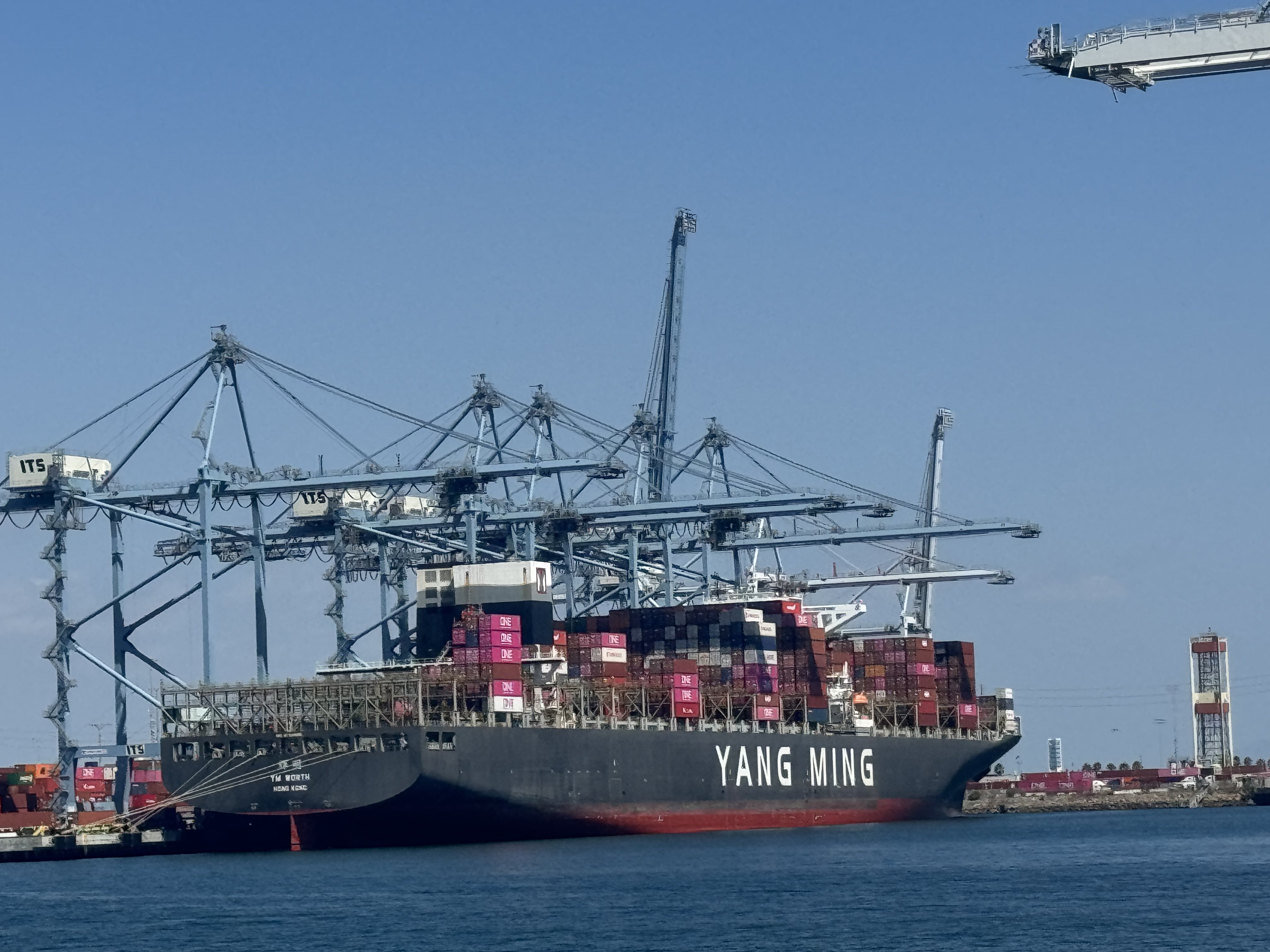
For decades, ocean freight has operated on an unwritten rule: the bigger your volume, the better your rates, the more visibility you get, and the more leverage you have with carriers. Small and mid-size businesses have been left to navigate one of the most complex logistics ecosystems in the world with none of the tools the enterprise shippers take for granted.
That is changing.
The Problem Nobody Talks About
Ocean freight moves approximately 90% of everything traded globally. And yet for SMB shippers, booking a container can still feel like making a phone call in 1995. Fragmented vendors. Opaque pricing. Zero visibility once your cargo leaves the dock. Delays that you find out about after they have already cost you.
The system was not built for small businesses. It was built for volume, and volume has always belonged to the big players.
What Intelligence Changes
The word intelligence gets thrown around a lot in logistics. But real freight intelligence is not a dashboard with a map on it. It is predictive. It anticipates port congestion before your vessel arrives. It identifies the optimal sailing schedule before you book. It flags a disruption in Southeast Asia before it ripples into your delivery timeline three weeks later.
When intelligence is built into the freight process from the beginning, the entire equation changes. Fewer surprises. Tighter planning. A supply chain that actually behaves the way you modeled it.
The SMB Disadvantage Is Not Inevitable
Here is what large enterprise shippers have always had that SMBs have not. Direct relationships with ocean carriers. Rate leverage based on volume commitments. Dedicated logistics teams monitoring shipments in real time. Early warning systems for disruption.
PortVelocity was built to close that gap. As a licensed NVOCC, PortVelocity negotiates directly with ocean carriers on behalf of SMB shippers, unlocking rates and sailing options that were previously out of reach. The result is not just cheaper freight. It is smarter freight.
Carbon-Negative and Built for What Comes Next
The conversation around sustainable logistics is no longer optional. Regulators, investors and customers are all asking the same question: how is your supply chain impacting the planet?
PortVelocity is building carbon-negative operations into its platform from the ground up, not as an afterthought or a marketing checkbox, but as a core part of how global trade routes are optimized.
The future of ocean freight is not just faster. It is cleaner, more transparent and more accessible to the businesses that have always deserved better.
The Bottom Line
Ocean freight has always rewarded scale. AI is rewriting that rule. For the first time, SMB shippers can access the same carrier relationships, the same rate leverage and the same real-time intelligence that enterprise logistics teams have spent decades building. The playing field is leveling, and the businesses that move first will be the ones that win.
PortVelocity is not waiting for the industry to catch up. They are building the infrastructure that pulls it forward.