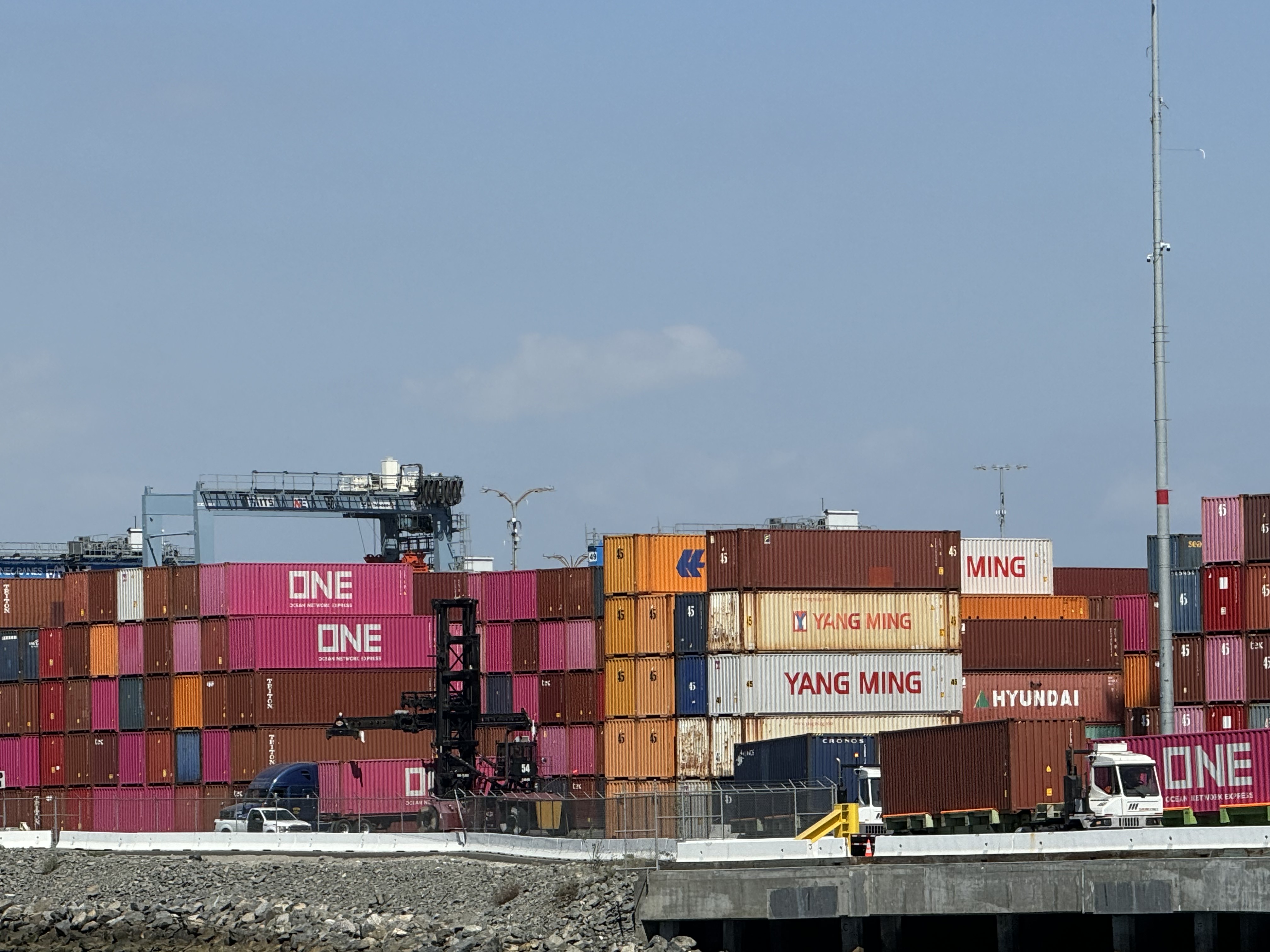
Nothing is worse than realizing your container is sitting at the port and the clock is already running. Every day it sits, the bill grows. For many small and mid sized importers, the first encounter with demurrage comes as a shock. A shipment that looked profitable suddenly carries unexpected port fees and delays that eat directly into margins. Most SMB shippers assume demurrage is simply another port charge until it hits their first shipment hard. What was supposed to be a profitable load suddenly turns into margin loss, unexpected invoices, and a scramble to figure out what went wrong.
Demurrage is a fee charged when a container remains at a port terminal longer than the allowed free time after it has been unloaded from a vessel. Ports provide a limited window for importers to clear cargo, arrange trucking, and move containers out of the terminal. Once that window expires, daily storage charges begin accumulating until the container is removed. Depending on the port and carrier, free time may only be a few days. After that, demurrage charges can escalate quickly, sometimes adding hundreds or even thousands of dollars to the cost of a single shipment. For growing businesses that rely on predictable shipping costs, these fees can quickly disrupt margins and planning.
Demurrage rarely happens because someone made a single mistake. In most cases it happens because the supply chain is fragmented. Ocean freight, customs clearance, terminal release, drayage trucking, and final delivery all operate on different timelines. When those steps are not aligned, containers end up sitting at the terminal waiting for the next piece of the process to move forward. And when containers sit, the clock starts. A shipment may arrive before customs documentation is finalized, a container may be cleared but waiting for a drayage appointment, or paperwork may still be incomplete when the container becomes available for pickup. Each small delay extends the time the container remains in the terminal, and every extra day increases the cost.
Several operational gaps frequently lead to containers getting stuck at the port. Customs documentation that is incomplete or submitted late can prevent a shipment from being released. Trucking may not be scheduled early enough to pick up the container within the free time window. Busy terminals can experience congestion that slows container retrieval. Errors in bills of lading or release paperwork can delay pickup approval. Many SMB shippers also rely on separate providers for ocean freight, customs brokerage, and drayage trucking, which makes coordination more difficult. When communication between these providers is limited, timing issues occur and containers often sit longer than expected.
For small and mid sized importers, the impact of demurrage goes far beyond a simple port fee. Unexpected charges affect product margins, cash flow planning, and pricing strategies. A shipment that was expected to generate profit may suddenly become a break even transaction or even a loss. Demurrage also creates operational pressure on internal teams who must quickly identify the cause of the delay, coordinate trucking, and resolve documentation issues while fees continue to accumulate. For businesses that depend on consistent inventory flow, these delays can disrupt supply chains and customer commitments.
The companies that consistently avoid demurrage are not simply lucky. They are coordinated. When the movement of freight is planned before the vessel arrives, containers can move through the port much faster. Customs documentation can be prepared in advance, trucking can be scheduled early, and container releases can be monitored in real time. Instead of reacting to delays, the supply chain is prepared for arrival and ready to move cargo immediately. When ocean freight, customs clearance, and drayage are aligned, containers spend far less time waiting in the terminal.
At PortVelocity the focus is on simplifying what happens after a container arrives at the port. Rather than treating ocean freight, customs clearance, and drayage as separate parts of the process, the movement is coordinated from vessel arrival to final delivery so containers do not sit waiting for the next step. This approach reduces the risk of demurrage, keeps freight moving through the port faster, and gives shippers greater control over their logistics costs. For SMB importers navigating global supply chains, coordination can mean the difference between unexpected port charges and predictable shipping operations.
Ports move fast. Your freight should too.